Loading0%

WE HELP YOU REIMAGINE

How processes become products, systems, and value.

ABOUT TRIAR

01

TRIAR is a process-centric future agency.

We work with products, materials, technologies, and creative practices by treating the process behind them as the primary source of value. Design, research, craft, logistics, media, and distribution are not supporting layers. They are the core through which value is formed. TRIAR builds on its own research and ongoing investment in labs working with materials, and uses this foundation to define how projects are developed.

In cases where there is a clear target to build something, TRIAR uses alternative and recycled materials as a primary entry point. These materials are slow, complex, and rich in dependencies, which makes them ideal for showing how markets can form around visible processes rather than just finished goods.

Working in this way also strengthens how a project appears on the market. By anchoring work in suitable materials and sustainable design, it gains a distinct niche and a clearer position that can be recognised and attached to over time. TRIAR operates on a simple assumption: when the process is articulated and structured, it can attract participation, validation, and demand, even in the absence of an existing market or established brand.

WHY IT MATTERS

Many markets do not lack ideas; they lack visible, understandable work behind those ideas. When processes stay opaque, participation narrows, trust takes longer to form, and momentum depends on external validation instead of direct engagement.

Making processes visible and structured turns the work itself into a shared reference point. People can read what is happening, decide where to plug in, and let demand emerge from participation rather than from persuasion alone.

How We Work

• We combine research-based precision with artistic experimentation.

• AI-driven modelling and predictive tools deepen our understanding of material behaviour.

• Experimental prototyping transforms abstract ideas into physical form.

• Narrative and visualisation translate technical knowledge into shared understanding.

We are a collective of thinkers, designers, and researchers who turn curiosity into structure, connecting artistic imagination with the pragmatics of innovation.

Matvey Usanov
Matvey UsanovFounder
Daria Maksakova
Daria MaksakovaLead Creative Architect
Svetlana Tamamsheva
Svetlana TamamshevaOperations Principal
Vasilisa Usanova
Vasilisa UsanovaVisual Research (media & photography)
Alina Paramuzova
Alina ParamuzovaMaterials Wizard
Anna Bezrukova
Anna BezrukovaMaterials Wizard
Sima Karandashova
Sima KarandashovaMaterials Wizard
Ekaterina Chelbaeva
Ekaterina ChelbaevaMaterials Wizard
Daria Zubova
Daria ZubovaSustainability Seer (research)
Elizaveta Kuznetsova
Elizaveta KuznetsovaSustainability Seer (research)
Alena Burmistrova
Alena BurmistrovaCurator of Immersive Galleries
Artefacts Background

ARTEFACTS

02

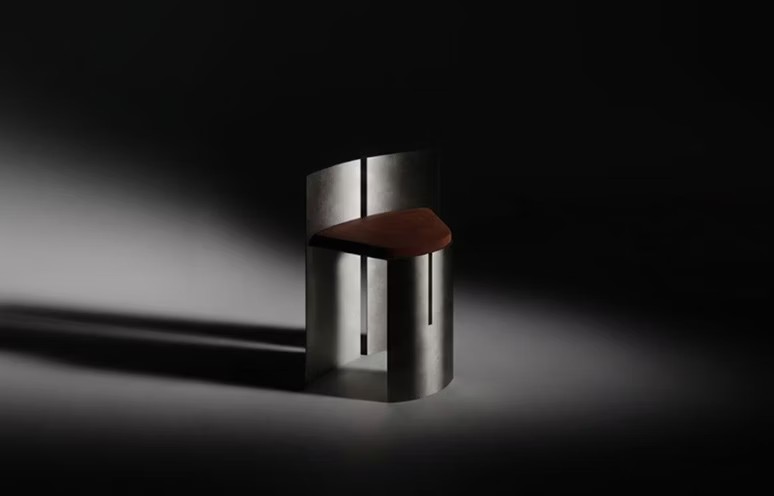
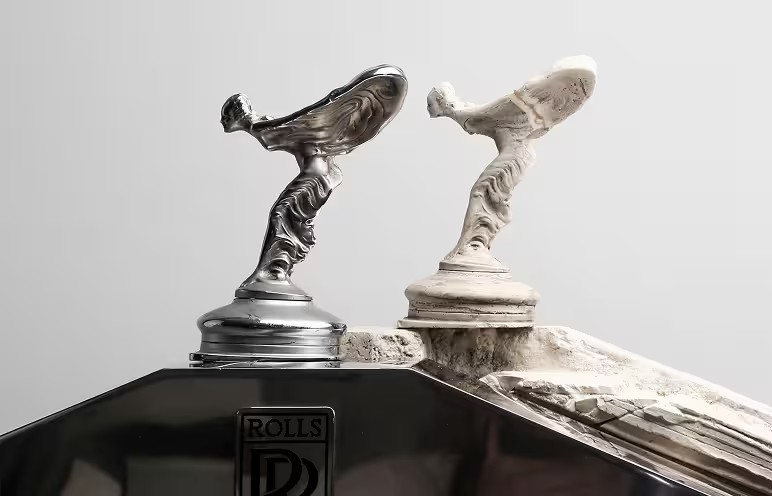
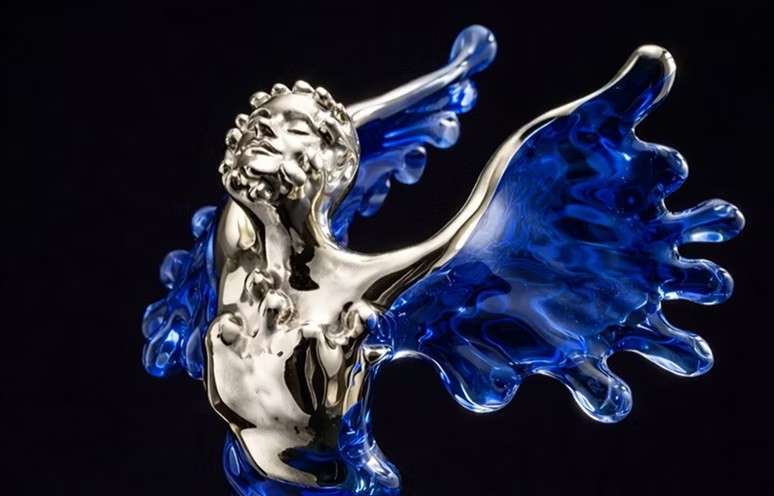
Each artefact is a case. A case demonstrates how a process, regardless of the scale of the final product, can be expanded to include multiple contributors, disciplines, and parallel activities, increasing value beyond the object itself.

Artefact Left
Artefact Center
Artefact Right

ARTEFACTS PROCESS

03

In practice, this means we:

( 01 )

Break Down

Break it down into its constituent actions and decisions
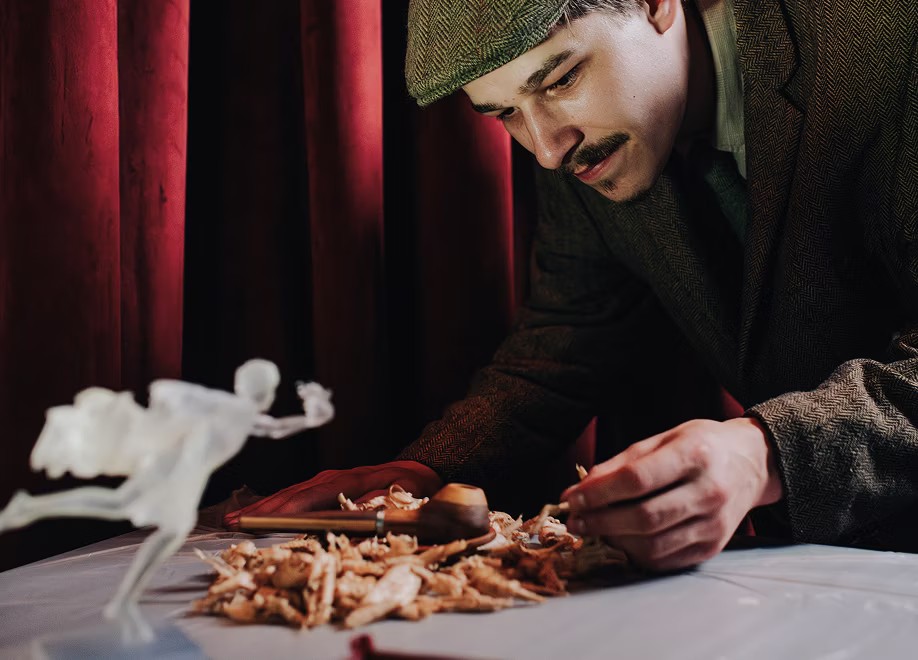
Process step 1

( 02 )

Expose

Expose the skills, transformations, and dependencies involved
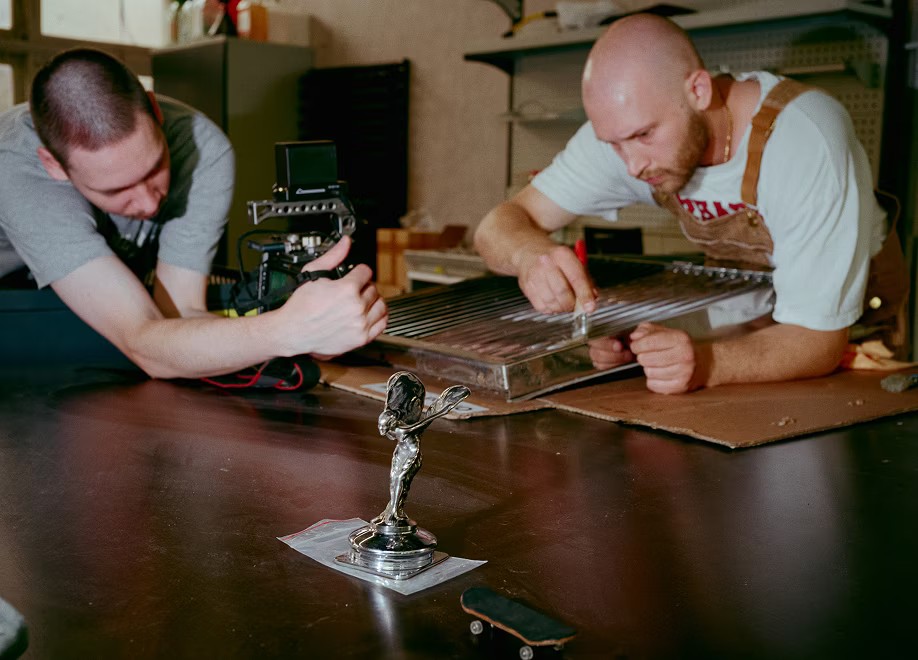
Process step 2

( 03 )

Document

Document and frame these steps through narrative and media
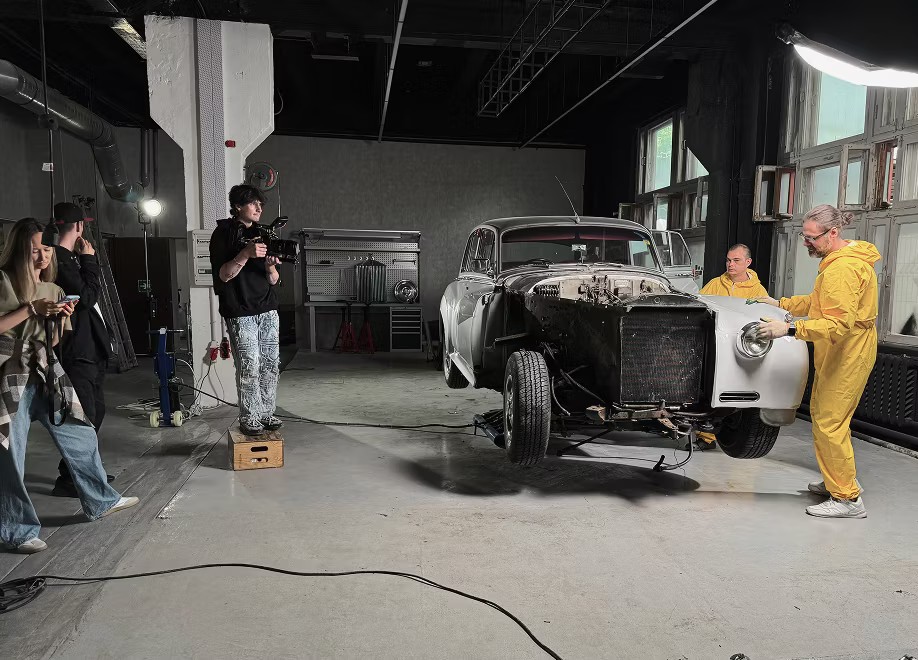
Process step 3

( 04 )

Integrate

Integrate the final object as one element within a larger visible chain
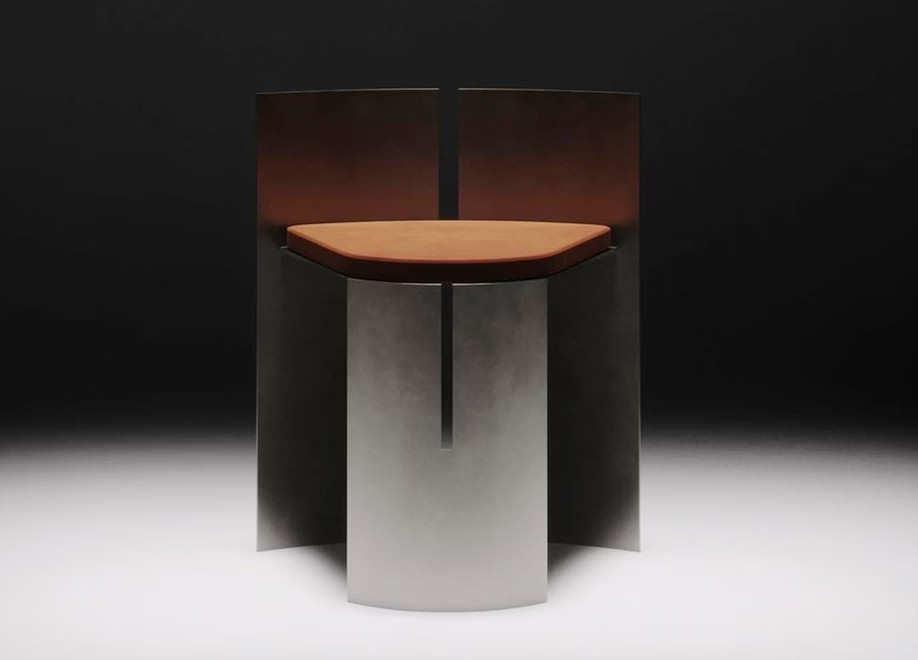
Process step 4

A small product can become the convergence point for craftsmanship, professional production, storytelling, and distribution.

The result is monetisation, visibility, reputation, and demand, shared across participants involved in the process.

Artefacts therefore function as proofs that value can be generated by working with the process, not merely through the product.

MATERIALS IN FOCUS

04

Materials are used as structural anchors

They allow TRIAR to work with processes that require time, skill, iteration, and failure. Through materials, we study how decisions propagate through a chain, from sourcing and transformation to form, use, and narrative.

This section highlights materials not as end goals, but as frameworks through which broader process logic is tested and refined.

METALS AND TRANSFORMATIONS

We use readily available metals and push their possibilities. Stress tests, heating, and different forming techniques show us how each metal behaves, allowing us to prototype durable components, refine manufacturing methods, and develop smarter approaches to metal recycling.

BIOPOLYMERS AND LIVING MATTER

Biopolymers come from natural sources like algae, starch, cellulose, and microbes. Unlike synthetic plastics, they can be grown, shaped, or left to biodegrade completely. We explore how these materials can be turned into modern, unique, and sustainable designs.

RECLAIMED MATERIALS AND UPCYCLING SYSTEMS

Reclaimed materials come from waste streams, metals, plastics, textiles, composites, and industrial by-products. We clean, break down, and reprocess them into new, usable forms. This supports efficient circular systems and extends the life cycle of discarded matter.

DIGITAL AND HYBRID MATTER

We use AI, simulation, and data modelling to test what materials, including reclaimed ones, can realistically become. By understanding their limits and potential digitally first, we avoid miscalculations, reduce waste, and only build when a design is truly viable.

NOTES

05

JOURNAL / NOTES FROM THE PROCESS

This is a working archive. The journal documents fragments of ongoing processes: intermediate results, tests, observations, and partial conclusions, connections and partnerships.

The intent is not full disclosure, but selective exposure, enough to allow understanding, engagement, and participation without collapsing the structure. Here, processes are shown while they are still active.

FUTURE DIRECTIONS

06

TRIAR evolves by extending its process logic into new territories.

Future directions reflect areas where similar methods, such as process exposure, structured participation, and community formation, can be applied to different materials, products, or systems.

These are not product roadmaps, but areas of continued process development.

01

Circular systems for material reuse

02

Bio-integrated materials and living composites

03

Digital traceability and AI-assisted design

04

Cross-disciplinary partnerships and education

TRIAR collaborates with individuals, studios, institutions, and companies interested in working within visible, structured processes.

Collaboration means entering an active chain, contributing skill, insight, or production capacity, rather than engaging only at the level of output.